Today's Monday is in response to Em, who warms FCN in a world as cold as stone. It is dedicated to Tori, who kept the author awake this morning as he was writing this post to help keep you all alive. You should thank them both.
With all this talk of zombies chowing down on your brain, it's impossible not to devote at least a little brain juice to one of the most iconic of all villains in the western world: vampires. While the existence of vampires is now well-established scientific fact, few people really worry about them because they don't really have to deal with them. Scientists estimate that there are probably less than a hundred vampires in the world today. Vampires are very anti-social and timid and usually only prey on one other person before death.
So why all the fuss?
Because it takes just fifteen minutes to prepare for the worst: a Vampire Apocalypse. Suppose any number of seemingly random events caused vampires to become active hunters, tracking down multiple targets and systematically spreading human vampirism across the planet. Would you know what to do when it came to your home town? Do you know how to recognize and protect yourself from a vampire?
We didn't think so.
This Monday, we're not even going to bother giving you advice about forming your VSF. Instead, we just want to clear the air and give you a solid handle on what you're up against. From there, you should be able to cross-reference what you've learned from previous Mondays and get yourself a decent plan.
Now, buckle in! We're about to tour modern and ancient understanding of vampires. No more superstition. It's time for scientific facts. Warning: a few of these might be a teeny bit on the unpleasant side. If you start feeling woozy, put your feet up on the desk (but not on the keyboard, please).
Oh, one more disclaimer. Twilight isn't going to get you very far here. No more "I'm a nice vampire who only drinks animal blood!" nonsense. We're sticking to real, hard facts.
MYTH: Vampires live on human blood.
FACT: Vampires crave human blood.
Vampires are humans, just like you. Okay, not just like you (unless you are a vampire, in which case this post probably won't have many surprises). In any case, the dietary needs of vampires are the same as those of normal humans. You've got your carbs, your proteins, your pizzas ... you get the idea. Here's the difference: when you're eating broccoli, you're wishing it was chocolate. When vampires are eating their broccoli, they're wishing it was blood. Vampires lie awake at night dreaming of blood. They have a craving as drug addicts yearn for a fix or N pines after Sunny D.
MYTH: Vampires love preying on victims.
FACT: Vampires feel really guilty about it.
Most vampires are deeply conflicted about their cravings (and many, at least for awhile, don't even know what the cravings are). Remember back when you were young and your mommy told you not to eat that candy bar she put on the counter? And you walked around for hours playing with your legos and dreaming about that candy bar? And the harder you tried to forget it the more it took over your mind? And in a sudden fit, knowing it was the wrong thing to do and that you'd get caught, you went and ate that candy bar, and even though you loved candy bars it tasted like ashes in your mouth because of the guilt?
Vampirism is like that. Vampires can't wait to sink their teeth into someone but they know it's the wrong thing to do and they're grossed out by it. But day after day, year after year, the temptation wells up inside them and eventually they just can't stand it anymore.
MYTH: Vampires can only be killed by silver bullets/wooden stakes; they're afraid of garlic; etc.
FACT: Um, no! Lol.
Vampires do have strange anatomical properties (ex: fangs capable of sucking blood, like bats), but they are still human. They're just as likely to be killed by silver bullets and have garlic phobias as anyone else. If you need to kill a vampire, do it the same way you'd kill a human, with one important difference: mind the teeth.
MYTH: Vampires have ice cold skin and are sensitive to light.
FACT: Vampires prefer the night.
Studies on exactly why vampires prefer the night are still inconclusive. Some postulate that vampires have guilt/freak complexes and try to stay in the shadows. Others believe there are more complicated forces at work. We're not sure about the details, but we can say for certain that vampires have normal human skin.
MYTH: Bat bites turn you into a vampire.
FACT: Vampire bites turn you into a vampire.
Vampire bats do suck blood, but they don't have the power to spread human vampirism. That's a condition unique to humans. Vampire saliva (which gets into your blood stream much as mosquito saliva does after a bite) spreads throughout your body, and a few days later, you're a vampire. There is no known antigen, though several vampires have generously donated their bodies to science in hopes of finding a cure. Until that happens: be safe.
MYTH: Vampires don't reflect in mirrors; their eyeballs have strange shapes; they wear huge collars; etc.
FACT: The only way to identify vampires without extensive testing is the length of their fangs.
After being bitten by a vampire, a newly infected vampire's fangs will loosen and drop out, giving way to elongated, hollow teeth with razor sharp tips. These teeth are very painful and impractical; they cut the inside of the mouth, they hold the mouth open wider than is comfortable; they get in the way of chewing food. The hollow points in the teeth are part of a thin line running back to and joining the esophagus, and that creates all sorts of complications. Identifying vampires is a simple matter of getting them to open their mouths. Tell them a joke - that works every time.
MYTH: Vampires live for centuries and/or are undead.
FACT: Vampires live about seven years after infection.
Tragically, the vampiric digestive system gradually stops working over time, causing death. There is no known cure. As a vampire's stomach shuts down and its hunger increases, the craving for blood becomes almost unbearable. Eventually even the most careful vampires usually give in to temptation and make their move.
Concluding thoughts: remember, even if the world is filling with vampires, there's no reason to panic. Vampires are humans too and it's wrong to just bump them off like zombies or politicians. Show them love and understanding in the scary years at the end of their lives. Give them space to be alone when the cravings take over. Let them know you trust them - then never, ever turn your back on them.
Not even for a second.
Monday, March 30, 2009
Vampire Monday

Monday, March 23, 2009
Stimulus Monday

The times, they have a-chang-ed.
The passage of the American Recovery and Reinvestment Act of 2009 (the largest peaceful power grab by any government in human history) is a clear sign to anyone who hasn't been paying attention that the future is not what it once seemed. Changing times call for new, flexible survival plans. Today: surviving the ARRA (or, in shorthand, the stimulus act). How do you survive - no, thrive - in the changing economic climate of the ARRA?
Unfortunately, Congress was unable to read the bill before it was passed. This is understandable as legislators are very busy people with a lot on their plate. The economy is hurting and can't reasonably be expected to survive unless the smart folks in Washington give it a bunch of our children's money. Thank goodness the bill passed so expeditiously!
First, let's clear up some confusion about the size of the bill.
MYTH: The ARRA costs about $789,000,000,000.00 over 10 years.
That's absolutely true if you count all the government grants and nothing else. But the grants account for only a small portion of the bill - the bulk of it lies in "temporary" spending increases to critical government functions, mostly in health care. Temporary? What does that mean? Don't panic, these wonderful spending raises will never leave us. Temporary is just a word politicians use to say they'll hammer out the details later. Add the grants, temporary spending, and debt fees together, and you get:
FACT: The true cost of the ARRA is $3,270,000,000,000.00 over 10 years.
$2.527 trillion in spending + $744 billion in debt servicing = $3.27 trillion, or about $18,165 per taxpayer. That's a pretty hefty financial payload coming your way, but keep your shirt on. Follow our advice below and the ARRA will be the best thing that happened to your wallet since ... well, ever. You'll be eating caviar in your penthouse looking down at all the starving little people who didn't have ARRASPs.
MYTH: Bailout money is being given to people who will lose their jobs without it.
One of the most tragic misconceptions about the ARRA is that money is given out based on need/potential contribution to the economy. On the contrary! The ARRA is just like everything else in America - a payback. For every action, there is a reaction. For every contribution to the political power of the Democratic party, there is a line in the stimulus bill.
Consider the $950,000 being given to the militant Hispanic-rights group National Council of La Raza. Consider the $6.6 million being invested in researching a rare insect (the Formosan Subterranean Termite). Consider the $855,000 funding a new parking garage in Massachusetts. Consider the $1.9 million spent on a water taxi in Connecticut. Or the $2.9 million to build a bike trail in Illinois.
FACT: Bailout money is given to change the balance of power in Washington.
It's not about need, it's about political favors. Some people are getting all bent out of shape about that because they have unrealistic notions about how government works. It's time for them to wake up and look around. In the post-Obama world, the government is just another branch of the economy. In a few years, the economy will be just another branch of the government. Economic laws absolutely apply to government action. Political campaigns cost a lot of money, and campaign contributors need to be paid back! It's only fair. Not passing this bill would be highway robbery.
But we're not here to defend the impeccable ethics of the stimulus act. We're here to show you how to leverage it to your advantage. The renewable energy industry sank millions of dollars into the democratic party, and has been rewarded with more than four billion dollars in return. Now that's results!
And how do you do that? By becoming important to the balance of power in Washington. There are many ways of doing this. The simplest way is by becoming involved in the campaigns of liberal politicians in your area. Give them money, work "as a campaign volunteer" full-time, recruit everyone you know to help out and post campaign paraphernalia on every piece of real and personal property you own. Make sure the politician realizes how much he owes you big. Then when he gets elected, remind him about how your business could sure use help to survive in these harsh economic times (be sure to use that phrase: harsh economic times). If you don't have a business, start one. It doesn't have to be serious. Learn from the termite researchers and bike trail pavers of the past. Then skip and clap in glee when you get a check in the mail for hundreds of thousands of dollars. Worth it? You better believe it.
If you're rich enough (for example, if you've already done the above method), you can start buying campaign victories by founding a Political Action Committee (PAC) that isn't affiliated with a candidate. Give it a nice independent-sounding name like "American Taxpayer Coalition" (that name hasn't been taken yet - you don't have to thank us). Run saturation attack ads on the fiscal conservative(s) in the race and be sure to mention constantly that you are an independent watchdog organization that is in no way related to any of the candidates. The liberals who benefit won't forget your generous efforts.
As you climb the political pyramid, you'll start finding that people start coming to you for favors. Be sure to reward them generously to keep them coming back for more. Loyalty is everything. When you think you've amassed enough power, call in all your favors and run for office. Everyone who owes you (both up and down the pyramid) will come in and help you as you helped them.
From there, you can broker power directly by passing bills to help your supporters. Don't be shy about this: there are lots of other people bidding for power. You've got to be absolutely ruthless about handing out those taxpayer dollars if you want your people to stay loyal. Conservatives will whine about how corrupt you are because they're too naive to understand how government works. But fortunately, conservatives aren't in power anymore. You can see why. Make the powerful people happy and all of a sudden that eighteen grand (and the general well-being of the nation) will be peanuts.
As you can see, surviving in the ARRA isn't about running away from your troubles. You've got to work hard, be patient, and pay everyone for an honest day's work with taxpayer dollars. In short, you've got to live the New American Dream. The journey will not be easy, and there will be days you feel like just quitting and getting a normal job. Don't relent.
The political industry is the only one with a bright future in America. With a lot of effort and a little unyielding hope, that shining star of financial bounty can be reached by anyone.
Now isn't that inspiring?
Monday, March 16, 2009
Mutant Insect Monday

Mutant insects? Where! Show me!
Lower the Raid can, Kemosabe. Mutant insects (as a potentially society-ending entity) don't currently exist. But that's not to say they can't, and, as sean b so gently pointed out, it's high time we devote a little time to getting your MISP off the ground.
Insects do two basic things: eat and reproduce. They're small, they move in swarms, and they all have ways of attacking humans. Why haven't they consumed the planet by now? Because they're at the bottom of the food chain. Everyone eats bugs - even some plants. Insects are getting gobbled up so fast it's a miracle there are any left. It takes constant breeding just to stay alive.
If you are annoyed by the presence of insects around your home, it's a simple matter to break out the pesticide and clear the area. Bugs can sometimes be annoying, but they're never a real threat.
Mutations being what they are, however, it's impossible to predict the future. Insects would require only minor changes to become incredibly threatening. Let us assume, for instance, that a given insect lost susceptibility to modern insecticides, or doubled its rate of reproduction. Suddenly, the current delicate balance of existence would be upset and insects would take over the world. Let us examine:
Termites
Termites consume dead plant material (wood). This means the agricultural threat is not total (trees and vines will be destroyed while grains and legumes survive), but the danger to modern society is still very gret. Wood and wood fiber products (like cardboard and paper) have been of critical importance to infrastructure for millennia. Widespread termite damage would cause buildings to collapse and paper records to be destroyed. The vast majority of the human population would be without shelter. Forests and jungles would vanish and shipping would grind to a halt.
Civilization would face desperate turmoil for several years until metal and plastic building materials became cheap enough to restore basic construction. Refugees would roam aimlessly in search of shelter. The global economy would collapse and then implode.
A few words of advice: fighting termites is about protecting yourself. Build your home with metal framing; use synthetic insulation; coat your drywall with a thick impermeable plastic. As always, be sure to have enough weaponry to deal with swarming refugees who want to live in your termite-proof house. If you work in construction, manufacturing, or transportation, get a new job presto.
Locusts are not directly threatening to humans but they devastate agriculture. Before modern insecticides, locust plagues were capable of causing devastating famines causing tens of thousands of deaths. Entire regions find themselves completely devoid of crops after a locust swarm descends; it often takes years to recover.
A locust apocalypse would consume above 90% of the planet's current plant life. This would have devastating short and long term impacts. Short term: massive food shortages would cause billions of people to starve to death. With survival on the line, countries would be forced into war over the remaining stockpiles, and rationing would give way to corruption and blackmail. The rich and powerful would pay their minions with food and play subfactions against each other; anarchy would reign. The geopolitical structure would devolve into a caricature of dogs squabbling over meat.
Civilization would collapse under the weight of rapid depopulation and the world would be plunged into a post-apocalyptic stone age. Regions safe from locusts (mostly the polar areas) would be invaded by survivors who would fight bitter wars to the death over the space. Civilization would slowly return, only to face the long-term impact of a locust apocalypse: atmospheric imbalances.
Flora and fauna are extremely co-dependent. Here's a basic idea, courtesy of Mountain Empire Community College:

See how that works, boys and girls? CO2 > plants > O2 > animals > CO2 > and so on.
Take plants out of the equation, and you have a broken chain. O2 gets used up and converted to CO2 but it's never converted back. What happens now? Do we all die? Not quite - there are special machines that can decarbonize CO2 and maintain the atmosphere in a small, closed system. But we don't have the technology to keep the whole planet going. Human life will go underground and exist in air-tight cities. With post-anarchic government settling back down in easy-to-control spaces, totalitarianism will see a sudden resurgence. Citizens will be forced to toe the line to get food and oxygen or be exiled to the lifeless surface.
Preparation for a locust apocalypse is simple: first, have a survivor party capable of fighting for food if and when necessary. Second, stockpile food and make sure no one outside your survivor party knows about it. Have enough to keep your party alive for several years with some left over. Use the leftover food to buy power in one of the brutal dictatorships of the post-locust world. Third, move to the Rocky Mountains.
Africanized honey bees (also known as Killer bees) are some of the most potentially dangerous critters on God's green earth. They have everything that makes normal bees dangerous (potent, fast-acting poison, wide hive coverage, excellent communication, super-dynamic body), with the added comfort of a scent "tag" they place on enemies, causing all nearby bees to swarm and sting the target. If you're tagged by a killer bee, you're in very deep doo-doo.
A sting from a single bee is not dangerous to those of us who don't suffer from bee allergies. In fact, it's possible to develop an immunity to bee toxin (ask a bee keeper about the last time he was stung). Some cultures even use dried poison for medicinal uses to stimulate the immune system. But there's no coming back from a bee swarm. Poison effects every part of your body; swelling some things, shutting down others.
Killer bee apocalypse would cause the deaths of billions of animals, from lizards to humans (and yes, in between). Depopulation would be just the beginning. Because bees don't need their victims to survive, they could exist on the surface indefinitely, and without sufficient quantities of herbivores, plant life would rapidly overtake the planet. Humans would be forced into ironclad cities safe from both insects and the ravaging plant sprawl. With every passing year, the bees would become more prolific and life on the surface would be more impossible.
As with many apocalypse plans, you must be able to identify a killer bee invasion before it becomes serious. Get into densely populated areas, where you can stay indoors and where plant life (which is what attracts bees) is more scarce. No matter how safe you feel, never remove your protective mosquito netting. Better safe than sorry.
Life underground won't be easy, but neither will adjusting to the post-anarchic totalitarianisms of closed-city governments. You'll need a plan to adapt to harsh new realities - but that's a topic for another Monday.
Got your own Survival concerns? Comment below with your own life-and-society threatening scenario for a free expert analysis.
Monday, March 09, 2009
Computer Virus Monday

What? Viruses, seriously?
Seriously.
Everyone knows that you need a good antivirus program so you won't lose your hard drive. That's common sense. But many people fail to consider the possible implications of an Apocalypse Virus - a computer worm designed to put an end to modern society's way of life. Such a virus would put everyone in the planet in grave danger. You and your family must be prepared with a solid Computer Virus Survival Plan.
What are viruses? According to the internet:
"A computer virus is a computer program that can copy itself and infect a computer without the permission or knowledge of the user."
They're like the computer version of catchy tunes that get stuck in your head, so you unconsciously hum them and get them stuck in other people's heads. Viruses can be fairly innocuous, but most are designed either for malicious or piratical reasons. There are a host of possible effects of computer viruses, but what really sets each one apart these days isn't so much what it does, it's how it gets there. The virus-antivirus arms race is a fierce one, with both sides constantly inventing new and more sophisticated ways of blocking or bypassing each other. If a virus actually breaks through the defenses it considers itself the victor. It does a few uncreative/obvious little stunts like corrupting your hard drive and uploading your personal information to pirates, then copies itself and uses your system to spread itself to all your friends.
Such viruses are annoying but not threatening to the social order. The fact that we have never faced any serious Apocalypse viruses has lured most of us into a false sense of security. Few people truly grasp the degree to which virus-susceptible software controls our lives. Our cell phone alarms wake us up; we listen to digital radio as we dress; we use smart microwaves and coffeemakers; we drive in smart cars through smart traffic intersections; we use credit cards and mp3 players and XBOX 360s. A widespread virus attack would be able to spread itself very quickly over most of the industrialized world and shut it down. Consider this worst-case scenario:
An anarchist cyber terror group based in Berlin uploads the ARM-262 virus, notable for its incredible flexibility which lets it adapt itself to attack almost any binary-based system and can spread prolifically. It can also be patched remotely by new uploads from Berlin, allowing it to stay ahead of countermeasures. It corrupts and shuts down everything it touches. National and private responses to the spreading virus come too little, too late. Within twenty-four hours, the industrial world is unable to use anything that was capable of accessing the internet or existed on a network (no matter how remote) containing internet access.
Even land line telephones drop out as computerized switchboards catch the virus. Cell phones turn into little plastic bricks. Email, texting, instant messaging, faxing - it's all out of the question. Communication grinds to a halt; and in a society in which texting across a room is commonplace, infastructure collapses.
Delivery and transportation (which use computer-generated schedules) are thrown out of wack. Trains collide when track controls go dark. Planes are lost in the wide open expanse of air space or circle an airport until they run out of fuel, then ditch. Smart cars become unresponsive and disoriented, causing a host of peculiar behaviors from less responsive brakes to the loss of onboard navigation. Major roadways become clogged with massive multiple-car pileups. Lighthouses shut down and boats run aground or get lost in the fog.
The electrical grid goes dark. Fuel pumps quit working. Banks shut down and electronic assets vanish. Many shops and restaurants close their doors as their registers act up. Credit/ATM cards are rendered worthless. Schools and government offices shut down. Military units are cut off and assume the worst, initiating poorly coordinated forceful responses to threats that don't exist.
Power plants explode or melt down as computerized safety protocols power down.
Crashes. Explosions. No communication. Nuclear meltdowns. Rogue military operations. Industrialized civilization topples and collapses. Getting the picture? Now - what do you do about it?
First, there's no reason to destroy or get rid of your electronics, but use some common sense about it. Keep paper records of important documents and keep them in a safe in your home - not at the bank. Disconnect from the internet when you're not using it. And above all, be ready for the virus strike.
When it comes, you'll have no need for anything powered by electricity. It will be decades before any of that stuff comes back. Don't try to communicate or travel by car - use nothing larger than a bike. Get away from metropolitan areas and form a survival party.
Think in terms of stone age understanding, as if you were rebuilding civilization from square one. Welcome new additions to your clan if they are willing to submit. If they are not, crush them without remorse. Guard your territory fiercely and scout nearby areas - including the nearest city - aggressively. Be sure you know what's going on so you can react to it in time. The return of electricity, a nearby clan raiding for food - these things should all come naturally.
The process of surviving in these conditions is complicated and extensive - beyond the scope of this post. Here's the main thing to remember - you need to know where you'll go when ARM-262 hits, and you need to be ready for it so you recognize it before general panic ensues. When you see it, act with the greatest possible swiftness. Running at full speed for the nearest exit is absolutely appropriate.
Get out, stay out, rebuild. Eventually the golden age of man will come again.
Want a Monday all to yourself? Comment with a topic you want included and we may provide our free expert analysis.
Monday, March 02, 2009
Global Warming Monday

With global surface temperature increasing by nearly half a degree Celsius over the last century, it's clear that a society-changing global warming catastrophe is only a matter of time. As soon as you're done formulating your Redhead Revolution Survival Plan, you need to buckle down and get prepared for hot water.
Literally.
But what is global warming? Didn't that end with Al Gore? Sadly no, in fact, Al Gore has continued sounding the warning trumpet even when no one would listen. That's because he doesn't need things like evidence that global warming is caused by humans - he has hard facts instead.
But back to the original question: what is global warming? It's a rise in average surface temperature in the planet. Global warming and cooling are natural processes. Surface temperatures have fluctuated for centuries and none have been cause for alarm - until now. This one is really extreme, because, as the hard facts indicate, we are polluting the planet and trapping all our heat in.
Among other things, global warming causes a melting of polar ice caps, causing a rising of sea levels, causing a recession of shorelines. If you live near the coast, you should be paying very close attention. Rising sea levels will look nothing like Day After Tomorrow - they'll be extremely gradual. In fact, it will take decades for serious coastal flooding to begin. At first you'll hear people saying things like "wow Joe, high tides are really really high these days." Then storms - which will be crazier as a result of global warming - will cause severe flooding.
Just to put something to rest right now: global warming cannot actually sink the planet - there's not enough ice to do that. It can submerge a good deal of it, though, and that's something you don't want catching you unawares.
Global warming is, well, global. To save time and to focus on our main readership market, we will stick to talking about what life will be like in the USA (after all, in many countries its not legal to read FCN).
America will be rocked as southern states are caught in deluge after deluge (Katrina is just the beginning, folks). Property values for coastal cities will free fall as people move inland to get away from the storms. Efforts to drain Louisiana and Georgia will eventually be abandoned. Florida will be completely submerged. Beaches will permanently flood and cities will be abandoned: Houston, New York, Charleston, Miami. Much of Arizona will sink into the expanding Baja Bay. San Fransisco and Seattle will become swamp land and the Central Valley in California will become a lake. The Midwest will suffer devastating weather changes. Tornadoes will become as normal as putting sugar in your coffee.
Meanwhile, the Rocky mountain range will be high, dry, and a lot warmer than it ever has been. Guess where everyone will be moving!
Um. The Rocky mountains, that's where.
Try to keep up.
If you live in the south, your experience will be one of a series of catastrophic hurricanes. There will always be people who refuse to leave and/or come back as soon as the storm is over, but that number will steadily dwindle with each passing year. Folks will be moving north and west in increasingly frustrated, confused caravans. Eventually that whole part of the country will be erased, and by then millions of refugees will be wandering around looking to be stored in a cool, dry place. Foraging and, later, pillaging will become hallmarks of these roaming parties. Gun play over food and gas will be so common that many regions will refer to caravan-infested areas as "the front." Your goal should be to evacuate ahead of the caravans and stay ahead of them at all times and costs.
If you live in the northeast, your experience will be one of steadily worsening weather and collapsing terrain situation. Some of the coast will flood but it won't be too serious for awhile. The soil, however, will become very soggy. Drainage will become a headline issue. Mosquitoes and disease will run rampant; agriculture will falter. Farmers will metaphorically pull up their metaphorical tent stakes and move to the midwest, and the rest of the society will collapse in their absence, causing a mass exodus. Your goal should be to sell your land while it's still worth something and skedaddle (that's northeasterner for leave).
The midwest will suffer the worst weather. Constant, devastating tornadoes and lightning storms will pound the ground, tearing up buildings, frying electronics, and keeping little kids awake at night. Owning a house will be a question of the lottery; each new day may be the day your house is blown away and you're left with nothing. One by one, destitute midwesterners will begin travelling west toward higher ground. Eventually a critical mass will be reached and the general population will get up and leave, too. You should know by now where they'll stop.
The west will suffer the least. Unless you live in California, Washington, Arizona, or a small handful of spots in Oregon, flooding won't be a problem. Tourism will suffer as snow becomes more scarce, but life in most of the Rockies will simply be warmer. California will experience the only sudden catastrophe in the nation, when a sudden violent hurricane sweeps over Monterey and empties itself into the Central Valley. Folks living there will have little chance once the storm begins. Their only hope will be to have abandoned the area long, long ago.
So, all roads lead to the Rockies, right? Very good. You get a gold star. Now you need to formulate a GWSF: one that allows you to detect potential flooding/storms long before anyone else, sell your property while it's still worth something, form a survivor party and move to the Rockies, and defend it against the increasing swarms of dislocated Americans trying to keep their feet dry. Then you'll need a way to feed yourself; America's collapsed agricultural society won't be able to support you. And we can't talk about it in this post because we've already gone a little long. We'll save it for later.
Our advice: move to the Rockies immediately. Do it early, do it often.
Got a life-and-or-society-threatening danger you want discussed? Leave a comment and we'll see what we can do help you out, free of charge.
Monday, February 23, 2009
Mammoth Monday

You know something that's way bigger than you? A mammoth.
A what?
A mammoth, that's what. In this day and age, "mammoth" is an adjective for something really big. But thousands of years ago, "mammoth" meant a 2-story tall, 8-ton elephant covered with shag. It was basically a mammalian truck. Common knowledge understands that mammoths died out back when your grandpa was doing his thing - before that even. But did they really? No one knows for certain. And unless you want to be caught with your britches down in a mammoth invasion, you should have a Mammoth Survival Plan.
So. What are mammoths? How do you know you're looking at one? Couple of clues: mammoths are like elephants, but with smaller ears. Other differences: Their bodies are significantly larger and heavier, their tusks are longer and curvier, and they have long, shaggy fur. Though we have never encountered a live one, evidence suggests that mammoths move in herds, are very territorial, and tend to be pretty standoffish. That means they don't get along well with people, even your grandpa.
There are literally millions of places on the planet that mammoths could be hiding completely obscured from humanity. We haven't seen any for a few thousand years so we've concluded that they're gone. But Rome wasn't built in a day (whatever that means). Mammoths could very well have just gone into hiding up in the arctic, where they've been breeding like rodents. Let us consider:
As the population expands, the herds will need more space to grow. They will gradually take over larger and larger tracts of land, starting in Canada or Russia. Some natural barrier will be holding them back (and keeping us from finding them) until one day, without warning, the pressure of expansion becomes too much and they explode across the barrier into human territory.
Deep in a mammoth's psyche is the understanding that land, once occupied, must be fought for. This means clearing out pests and predators in the area. Mammoths will attack and destroy human settlements in their new territory; and such an invasion would be totally unprecedented and unanticipated.
Thousands of environmentalists and scientists would strongly urge against fighting the mammoths. Many would even seek to be human shields (dying in the process). Police would seek to respond but are ill-equipped for facing hundreds of crazed charging mammoths that can crush their cars with one stomp. It takes a lot to bring down a mammoth. Small arms fire is not enough; flash bangs and gas will only make it more angry.
Military Police will be dispatched onto the scene, but instead of using the most effective possible measures, they will try to subdue the animals in humane ways. Elephant tranquilizers and traps will be too few and too small; the MPs will be overwhelmed, and in the face of billions of dollars in damage and thousands of lives lost, the honest-to-goodness military will move in. Mammoths will charge at what ails them and are hard to stop when they start. This means safe ways of fighting them involve air-to-ground weapons and evasive ground maneuvers (which is a military term for driving away as fast as you can, firing your machine gun backwards and screaming like a maniac). After extensive damage and a protracted search-and-destroy campaign covering much of the continent, the mammoths will be contained.
So, mammoths don't necessarily threaten your way of life. They won't end life on the planet. But what do you do to keep from getting stepped on?
First: consider the chances of a mammoth return in your area. If you live in Baja, you have nothing to fear (of mammoths - but don't worry, there are plenty of other things to keep you awake at night). If you live in the Northwest Territories, you're definitely in danger. If you live in the Ural Mountains, you've probably already seen a mammoth and you're not telling anyone about it.
You sneaky devil.
Having assessed the threat level, you can determine how much time you'll have to react to a mammoth invasion. If you're in the forefront - with little or no warning - your plan should be very simple. Find a way to get out and stay out until the military gives you the go ahead to come back. Don't go back to your house for your photo album or your lucky blanket or to turn the stove off - go.
If you have a limited amount of time to prepare (less than 24 hours), go to your home or the home of a fellow survivor, form a party, build a few survival kits (you should have these lying around anyway in case of zombies, biochemical attacks, and vise versa), then boogie. Make a goal of putting as much distance as possible between you and the mammoths. Don't stop at what looks like a safe place - just go. Minimum safe distance is one hundred miles. You'll probably pass a police/military barrier or two on your way; don't allow that to increase your sense of safety. Just go already.
If you have a healthy amount of time to prepare (more than 24 hours), form a survival party and standby; keep an eye on the news and be ready to evacuate. You may not have to leave - awesome!
Of course, all the planning in the world won't guarantee that you won't be forced to fight a mammoth. If you are, your options aren't that great.
This next section may get a little unpleasant.
If you have a gun, use it. A .45 or thicker rifle round behind an ear or 4 inches above the eyeline should stop a mammoth cold, but you're safer using a bona-fide Elephant Gun. Popular with big game hunters is Nitro Express (so named because it used to be powered with nitroglycerin - cool!). Lots of great choices there; you want a gun with the maximum possible impact.
If you want to go "all the way" in preparing for the return of the mammoths you've got two solid options:
The legal one: the CZ550 from American Hunting Rifles. This beauty - sometimes referred to as the Dinosaur Rifle - puts a massive hole in anything it shoots at. Be sure you're trained to use this weapon, as discharging it incorrectly can knock you flat on your back, break a few bones, and deafen you permanently. Remember that mammoths are larger than any big game known to modern man, and this calls for extraordinary measures. Look into the .600 overkill - a cartridge that can penetrate six feet of solid oak. Downside -it feels like holding a cannon.
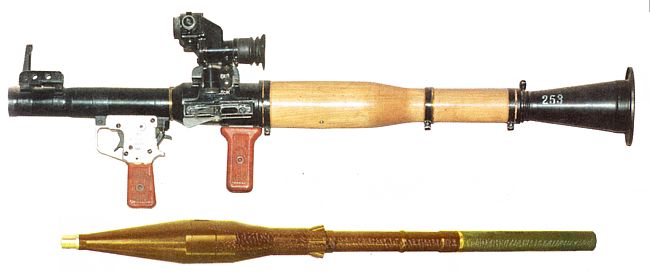
The illegal one: Rocket-Propelled Grenades (RPGs) are convenient, reasonably portable, highly effective, and fully biodegradable. They were originally designed for use against tanks and light vehicles but are perfectly respectable against mammoths. Attaining an RPG can be tricky, and for legal reasons, we can't really tell you how to do it.
We can tell you how to use it, however. Good news: firing an RPG is so easy, even a terrorist can do it. All you do is rest it on your dominant shoulder (if you're right handed, put it on your right shoulder) and hold the handle/trigger with the corresponding hand. Use your other hand to steady yourself. Before firing, you may want to cup your other hand over the barrel directly above your firing hand.
To aim, peer down the barrel. There should be iron sights at the very end. Line the sights up so the mammoth is between them. Then squeeze the trigger. The rocket will fire, and the rest is easy.
Safety guidelines: do not fire at a target less than 60 feet away (that's about two RV lengths). Make sure the area behind you is completely clear, as rocket exhaust will shoot back behind you about 3-5 feet. Do not fire this weapon up, as the exhaust will bounce off the ground and burn you. Do not fire with your back to a wall. Do not fire in a crowd of screaming people.
Oh, and for the record, none of that is from experience, and F definitely didn't accidentally burn down half a national forest playing with the RPG he bought on eBay. Just so we're clear on that.
Moving on.
If you don't have a gun, your options are significantly more limited. Everything you learned about killing mammoths in the 10,000 BC movie is wrong. Forget 10,000 BC. Your chances of killing a mammoth by penetrating the heart are a million to one. You could try to stab the mammoth in the eye - but not while it is charging. If you get close enough to stab a charging mammoth the purpose has been defeated.
Consider these two tactics popular with Africans, who have to deal with mammoth's smaller cousins. First, you could dig pits with sharp spikes at the bottom. Downsides: this will only stop one mammoth, at which point the rest will just charge over the corpse and keep going. Also, it's extremely time consuming and not very mobile. Another option: slash their hamstrings with machetes, then start stabbing. This method is very messy and risky.
Your best bet may be to do it with your bare hands: sneak up on the mammoth while it's sleeping and stuff its trunk down its throat, suffocating it. This really does work, folks. We are not making this up.
We think it's pretty obvious by now that even if you've got heavy weaponry, your best chance of survival is putting distance between you and the mammoth herds. This really shouldn't be that hard to do if you're alert and prepared, so be alert and prepared already. Remember: it takes 15 minutes of Mammoth Survival Planning to prevent a lifetime of heartache.
Of course, there may be other creatures hidden away in unexplored regions - zombies for instance. But if zombies break loose, well ... you know what to do.
Monday, February 16, 2009
Chuck Norris Monday

Sunday, February 08, 2009
Biochemical Warfare Monday

If you haven't already, check out Testudo's totally valid zombie plan. It's weak only in its occasional vagueness. Way to go Testudo! We're honored to have been part of this excellent plan. We hope you inspire more FCN readers to build their own solid plans for the future.
You know one thing that's really swell? Walking along minding your own business when suddenly you're contaminated by a biotoxin. Your eyes dry up. Your mouth foams. You drop to the ground in agonizing pain. Your friends run to help you. You try to gesture at them to keep back but you can't move. The last thing you see is your friends dropping onto the ground next to you.
Okay, actually, that probably wouldn't be really swell. In fact it would probably be worse than spending the whole day going bowling. So what do you do to protect yourself?
Understand, avoid, survive.
Biological warfare is as old as your mom. Maybe older! Some of our earliest records of ancient wars involve polluting enemy wells, poisoning the tips of arrows, and hurling clay pots full of snakes or scorpions. In medieval times, catapulting dead animals or victims of the Black Plague into besieged areas was as common a daily occurrence as syncing your iPod is today.
Breakthroughs in microbiology in the twenty-first century made a whole world of awesome toxins possible. Geniuses like Joseph Mengele were able to grow pure strains of their weapons (and, usually, forcibly test them on subjugated peoples). Though there has been extensive testing of biological weaponry, it has not been seriously used since World War II.
Weaponized biotoxins come in many forms but one of the best kinds available today is Anthrax. Because it is widely regarded as the ultimate anti-personnel biological warfare agent, we'll use it as an example (more on agricultural agents later). Anthrax is most effectively delivered by aerosol (probably by aerial spray or low-altitude detonation of a weapon vessel, covering the area below). It is then inhaled and causes a pneumonia infection that feels like a bad head cold. This cold gets gradually worse over several days and then causes massive respiratory failure. In nearly 100% of cases, victims who have inhaled Anthrax die - even if treated very early after exposure.
You can also contract Anthrax infection by eating something with Anthrax on it (oopsies). This form is more easily treated by antibiotics; the fatality rate is closer to 50%. That's not so bad!
Anthrax on the skin is really not serious at all if treated. If it's not treated, it will cause nasty skin lesions that may be fatal.
So, armed with this knowledge, lets get into the dirty details.
Anti-personnel biochemical attacks will center on major metropolitan areas. If you're living near one (or downwind of one) and suspect an attack may be imminent, you must evacuate immediately. Get a mask (not the dentist kind, the coal miner kind) and wear it at all times. It will itch and be irritating; you'll sweat underneath it and you'll sound funny and have to shout to be heard. These are all annoyances. Being dead is more serious than an annoyance. WEAR THE MASK.
Get into a car and drive to an isolated area. Be sure keep the windows rolled up, the doors closed, and the AC on recirculate. Don't stop to pick people up (they may be contaminated).
Your survival area should be away from cities, roads, and rivers. Dig yourself a well. Only eat food that has been in air-tight containers since before the attack, and only after cleaning the container thoroughly with well water. Destroy all clothing that may have been exposed. Do not offer shelter to other survivors (if the area gets wind of it, they'll all flock to you; your well will run dry and you may be targeted by an air strike).
Stay in your isolated area for at least one year. If you are ready to return to civilization (to see if the war is over/it was just a false alarm), follow the same car procedures described earlier. If you must leave your car for any reason, such as to refuel, be certain your mask and gloves are secure. Wear long-sleeved clothing and eye protection (swimming goggles will work).
Because the city has probably been annihilated and you are on the brink of death yourself, looting for survival necessities is morally acceptable. Looting for luxury items is a moral gray area.
You've probably noticed that the plan described above is both vague and equipment intensive. The vagueness is something you'll have to solve yourself (by customizing your plan; we encourage you to post it in a comment below!). The equipment is taken care of by planning ahead. You won't have time to stockpile these essential items when the emergency strikes so be sure to have a biochemical warfare survival kit packed and ready to go in your car.
It should include, among the following:
- Masks for everyone in your party
- Backup charcoal canisters for the masks (at least a year's supply)
- First aid kit (with antiseptic and some light cutting tools)
- Flare gun (properly wrapped)
- Tent (the more air-tight the better)
- Non-perishable food (in air-tight containers)
- Can opener and scissors (for the air-tight containers)
- SPF 40 Chapstick (don't leave home without it)
- Blanket (for cuddling with)
- Shovels (for digging the well)
- Water purifier tablets (because well water is yuckie)
- PSP (because life in the wild is kind of boring)
- Batteries (for the PSP)
- Flashlight (in case someone asks you what the PSP batteries are for)
- Hunting rifle (for putting down game and people who won't take no for an answer)
- Duct tape (because you never know)
- WD-40 (also because you never know)
Agricultural warfare involves herbicides and is used to cause starvation or to clear out areas that the enemy may be hiding. This does not immediately effect you as it is a strictly military action that usually does not target civilians (unless those civilians are farmers, in which case: powned!).
Well, that's the basics of surviving a biochemical attack. Remember that you can never know too much about the various types of weaponized biological agents that can be used against you. Research and learn to adapt.
And finally: it's fully possible that the warfare agent would be a virulent strain of zombie virus. If that happens, well, you know what to do.
Monday, February 02, 2009
Alien Monday

So, we're ready(er) for a zombie apocalypse. Bring on the future!
Not so fast, Kemosabe. Zombies aren't the only potentially-world-ending threat facing the uncertain days ahead. If you intend to keep yourself and your family safe, you'd better have surveyed a host of different threats. FCN will help you.
Today: a hostile invasion from extra-terrestrial sentient life forms.
Unfortunately, we know much less about aliens than we do about zombies. Don't get me wrong: humans have been rubbing shoulders with aliens for thousands of years (though, for very complicated reasons, that's a closely guarded secret). But those aliens aren't hostile and don't pose a serious threat to humanity. Neither do hostile aliens at our technological level.
The serious threat is a hostile alien force with vastly superior technology, and, as you can probably tell, we have never encountered that yet. We can therefore only count on logic to help us formulate an attack. Let's start with what we know for certain, based on the fact that if any of these facts are untrue the Alien Survival Plan does not need to be put into effect.
1) The aliens can travel through space at reasonable speed.
2) The aliens can find this planet because they have technology that makes them able to detect something they want on the planet.
3) The aliens have weapons capable of making human extinction a real possibility.
4) The aliens have no serious weaknesses, such as vulnerability to germs or water.
5) The aliens want something on this planet and are about to kill us to get it.
There are three possible things the aliens might want from Earth. In no particular order, they are: minerals, water, or humans.
An attack from miner aliens would involve a sudden, coordinated attack on resource-rich areas across the planet. Our foes would either use close-up drilling techniques to bore down into the earth and suck the minerals out or pull the minerals out from space.
If they are using drilling: first, try to ascertain as quickly as possible what mineral(s) the aliens are going for. Everyone else will be trying to do this too; any radio or TV station should be able to give you the best accepted current theory. As soon as you know the target, get as far away from it as possible as quickly as possible. Don't go home; don't stop at Wal-mart for supplies. Get in a car, bike, plane, whatever, and boogie. The safest place to go in a drilling miner alien attack is an old strip mine; it's almost guaranteed to be dry of minerals and the bowl-shape will provide a little shelter from the elements.
Do not try to fight the aliens, as this might cause hostile action directly against humankind. Instead, bunker down where you know it's safe and wait. Space travel physics indicate to us that the alien ships will probably be massive - probably several hundred miles across at least. You will be able to see them clearly in the sky. When you no longer see them, you know it's safe to go home.
If the aliens prefer long range planet draining, your chances are much lower. Most planet drain techniques involve tearing a planet apart and processing each of the pieces in the ship. If this happens, there is really nothing you can do to save yourself. If the methods used are more sophisticated and the mineral in question is simply levitated out of the earth, all you need to do is get to a safe spot as described earlier and wait it out.
Aliens seeking our water pose another serious threat. Water is Earth's most precious resource and the basis of life as we know it. It's very likely that imperially-minded colonizing aliens would seek out watery planets like ours and suck them dry to hydrate their terraforming projects in other areas.
This would involve the creation of a small number of water teleportation vacuums in our major oceans: probably at least one in the Pacific and Atlantic; probably a third in the southern Indian ocean. These vacuums would suck up trillions of gallons in a single day from pipes that pulled water from the bottom of the ocean (just like a straw: you don't suck your soda from the top do you? No. You put the straw down at the bottom of the cup, just like space aliens).
While you will probably be in no immediate danger when the water sucking begins, you will still be in very grave danger. Without water, Earth will die within a matter of weeks at the most. You cannot afford to sit idly by and let the planet be sucked dry. There are only two possible solutions. Neither of them can be performed by you (unless you're a very powerful person, in which case: hello!); they require massive international cooperation and resource expenditure. But you need to know about them so you can adapt.
1) Military action. In anticipation of stellar (pun intended) defensive measures, the whole of humankind's nuclear payload will be launched at the orbiting alien fleet. Any shields or countermeasures the aliens have will hopefully be overwhelmed by the sheer number of incoming threats. In addition, the aliens will probably not have a serious military presence of their own; expecting minimal resistance, they should have just a token escort and should be only marginally capable of immediately retaliating. If we prove annoying enough, the aliens will leave us alone. If not, they'll send a battleship to kill us all, in which case see the "Killer Aliens" section.
2) Deceit. Because the aliens will not stop until they have sucked the planet dry, we must trick them into thinking they have succeeded when in fact they have not yet. Start by plugging the ends of the ocean-floor pipes. This will suggest that there is no more water to be drawn. If the aliens clear the pipes and proceed, start feeding strange things into the pipes such as oxygen, diet Pepsi, and beanie babies. Eventually whoever is up in the ship watching the monitor will get the message and power down the vacuums. This is really a gamble but if it works, the aliens will leave our planet in peace for a long time, if not forever.
PS. Depending on how the vacuums function, it may be possible to merge these two strategies by sending armed nuclear warheads up the pipe. Devious ...
The worst kind! These aliens aren't here for our planet, they're here for us. Contrary to what much of science fiction suggests, our bodies are unlikely to be useful sources of food or energy compared to other terrestrial creatures. We probably won't be as smart as the aliens will, and to them, we'll be hideously ugly.
They'll want us for two things: slavery or the satisfaction of a kill.
Slaver Aliens will try to take people alive, probably by landing in major metropolitan areas, cordoning off an area (perhaps with the use of some sort of energy barrier impassible to us), then processing everyone inside. If we're really unlucky, they'll have a way to detect and abduct us from up in space, in which case our only hope will be prompt military action as described above.
If you are abducted by aliens, do not panic. Keep all your senses open and try to understand how the aliens think and communicate. The aliens don't think the way we do. They won't know you very well and may overlook something very serious about keeping you contained (such as locking the door). If you're patient and keep your head on your shoulders, there's a fine chance you'll be able to escape and return to Earth.
If you're forced to fight the aliens, try to stab them in the eyes if they have any. You have no idea what other parts of the body may be vulnerable. If the aliens communicate through telepathy, you may be able to kill them by overloading their minds with images of themselves dropping dead. This is risky, however, as the aliens will have been able to practice telepathy all their lives (and who knows how long that is), whereas you will only just have gotten started. Eye poking is safer.
Blood Lust Aliens are absolutely by far the worst possible kind of aliens ever. They will come only for the sport of killing us or to satisfy a genocidal passion. They will probably not stop until they are convinced all of us are dead. Again, direct military action is an appropriate response, but considering that these aliens will have come ready for war, the odds of a successful nuclear strike are lower in this scenario than in any other.
No matter what kind of Killer Aliens are attacking, it is imperative that you get away from other humans immediately. Evacuate cities no matter the size - make for the hills and then get off the road, lead your car behind, and hoof it. Try to ascertain what the aliens are using to find you.
If it's smell, find a place you can lie in water and breathe through a straw or reed. If you can find a creek with an abundance of fish (and you like sushi), you may not have to surface for weeks at a time. This will be tricky and require great patience and training, but hey - it's better than getting vaporized!
If the aliens find you by sight, hide from the sky. Caves are your best bet. If you cant find one, dig yourself a dugout and hide inside. Never ever come out in the day or when the moon is bright, or if you see bright/moving lights in the sky.
If by telepathic signature, visualize yourself as a rock, incapable of thought. Hold that image until the aliens leave.
If by sound, keep your breathing shallow. Lie flat on the ground and do not move until the aliens go away (you should be able to watch the proceedings in the sky quite clearly). Be sure to turn off your cell phone. Not vibrate - off. And no iPods!
Whatever you do, don't get near other people. Every additional person in your party exponentially increases your chances of being caught. Stay alone to stay alive. You can rekindle those old friendships when you've all come through the invasion safe and sound.
One more word of advice, and this covers all three kinds of alien invasions: whatever you do, be quick about it. You're dealing with enemies that can zip across light years in the blink of an eye. They're not going to sit around waiting for you to back up your hard drive and grab your sweater. As soon as you ascertain what kind of aliens are attacking, kick into survival mode and head for the hills.
There is, of course, one final kind of alien we didn't mention: space zombies (like head crabs or the Flood). If you're attacked by that kind, well ... you know what to do.
Monday, January 26, 2009
Zombie Monday #8: Survivor Appendix
 Getting eaten by a zombie can ruin your whole day. Today, our last post on how to keep that from happening.
Before digging into the meat of the post (pun intended), let's quickly respond to a comment from last week:
"I think we've had enough of the zombie silliness ... plus this post is way too violent. Please let your posts reflect your Christian character, rather than the lack thereof. Shame." - nunya
Let us ask you this, nunya: is it moral to set a mousetrap?
What about: put an alarm system in your house?
What about: shoot a bear that's mauling your mother?
We're not sure if you're one of those [special] people who would argue that the life of a bear is equal to that of a human, or that we should never do anything to protect ourselves. But if you're like most of us (Christians very much included), you can agree that certain measures are fully appropriate. So let's look at the moral weight of killing a zombie:
Zombies are not human; they have human bodies but no soul. They are actually animated by a virus, which many scientists contend does not actually count as life at all. This virus creature is going to kill you and the rest of the people in your party if you don't kill it first.
In a perfect world, there would be no zombies, and if there were zombies, we'd find a way to get along. But the sad truth is that zombies force you into a kill-or-be-killed scenario. Violence is never preferable, but if it is ever at any moment justified, self-defense from zombies is one of those moments.
We're not writing these posts because of we're consumed by blood lust. We're writing them because we want to help keep you and your family safe.
And "zombie silliness"? Come now. Remember all the people who used phrases like "Nazi silliness", "nuclear silliness" and "Black plague silliness." We don't want these things to happen but you absolutely must be prepared for the worst if you intend to survive the future.
On to the serious stuff.
Ahem.
So you're on the run. You've got a safe place ahead, you're well armed and supplied, you have a route that will help you avoid zombie swarms and looters. You're good, right?
Wrong.
You need to plan your survivor party. A good party contains 3-8 people of varying complementary skills. If you've reached your comfortable maximum number of survivors and someone else comes along that you really want, recruit that person, then get rid of the weakest link by having them take point.
New recruits to your party should all be healthy, focused, well-supplied, and most importantly, unbitten. Never allow someone to join your party if they seem to meet any of the following criterion:
- Unable to run or see due to sickness
- Faints at the sight of blood
- Starving; just wants to join your party for the food
- Likely to challenge authority
- A coward
- Has been "nibbled" and feels "a little weird you guys."
- Probably won't work well with the rest of your group (For instance, has Nazi tattoos (This assumes your group doesn't consist of Nazis already (We don't mean to imply that Nazis shouldn't try to escape the apocalypse (Because their lives matter too, after all)))).
- Is your ex-girlfriend.
So, if they meet all the basic prerequisites, how do you decide who gets to come along? By making a case-by-case decision aided by
Questionable physical fitness. Full of occasionally useful trivia. Tends to get along with other survivors. Learns fast.
Verdict: Recruit.
Shady criminal past. Likes to "boost" weapons, food, and drugs off people who are no longer able to enjoy them. Can sneak around in broad daylight. Works best alone.
Verdict: Don't trust, but recruit if necessary.
Medical experience. Knows what to do when people get hurt. Calm in an emergency. Has medical supplies. Doesn't know how to fire a gun.
Verdict: Recruit at all costs.
Can't wait to fight zombies. Has been eagerly waiting for this day for months. Has a zombie costume at home. Wears it to parties all the time. Knows all about fighting zombies and can't wait to tell you.
Verdict: Shoot on sight.
Sees the apocalypse as a chance to get rich. Can't walk by a store without breaking in and stealing stuff. Has a growing stockpile of goods back at "the pad."
Verdict: Ask for directions, then avoid.
Obscures face. Has dozens of medieval weapons hidden on person. Can jump over buildings and kill people just by thinking about it.
Verdict: Recruit.
Has never been out of an air-conditioned environment. Unpredictable in high-stress situations. Incredibly naive. Worries about her hair even while zombies are clawing at it.
Verdict: Recruit if desperate for people or if confident she can be protected until trained.
Never smiles. Wears elaborate costume. Sits awake at night brooding. Carries gigantic sword. Loaded with sage advice.
Verdict: Recruit, then appoint head of the party.
Verdict: Do not recruit.
Covered in tattoos. Won't let anyone touch personal stuff. Is "too tough" for zombies. Would sooner die a slow death than admit to fear. Has a vague zombie plan involving killing them all.
Verdict: Recruit if can follow orders.
Smokes a cigar. Talks loudly. Carries dynamite and grenades. Tosses lit fuses over shoulder and walks away in slow motion as things blow up from behind.
Verdict: Unnecessary, but occasionally useful. Recruit.
Carries blades and knows how to use them. Can feed a hundred people without breaking a sweat.
Verdict: Recruit and have cover rear.
Always has something in mouth. Cantankerous. Claims that this "doesn't compare to the zombie apocalypse of '73," when they had to go uphill barefoot in the snow with head wounds and nagging girlfriends just to get shotgun shells. Knows how to handle a weapon.
Verdict: Recruit and keep under close watch.
Weak and pasty. Terrified of zombies. Lots of useful head knowledge. Constantly calls "my girlfriend to make sure she's all right." Existence of said girlfriend is dubious. Keeps posting on FCN as if nothing has happened. Occasionally makes snide remarks.
Verdict: By all means recruit.
Well, that's it for the Zombie Monday series! We hope we've done our part to help get you ready for the future.
So what are we going to do with this space next Monday? Come back then and find out!
Monday, January 19, 2009
Zombie Monday #7: Weapon Appendix

The Zombie Apocalypse may not be a good place to take a date. But if you do, you might as well keep her alive.
"Build a 50.caliber automatic gun ..." - Anonymous
"My plan involves a large sword (like Cloud's in FF7). That and a minigun." - Mairazu
"... With my superior strength and martial arts skills, I would have no problem stabbing anything with a wooden stick. Anyways, a rail spike or spear would not be as satisfying." - dwight
"Whack them on the head with a crowbar... Assuming, of course, that you aren't a zombie yourself. Either that or get a big shovel to whack them with instead ..." - Anonymous
"It's waaay more satisfying to put your foot through a zombies head, assuming that you're ninja enough to do it..." - Guitarbob
"Two pistols, cool!" - Zoey
Let's face it: even the best-thought-out zombie plan is unlikely to protect you from encountering a zombie. And when you do, you'll have to be ready to remove the head or destroy the brain. How is this best done? This week, we examine some of the more popular ideas for taking on zombies.
But first, a few words on zombie combat in general.
As we pointed out at the start of the series, even the most effective weapon will not save you. Anyone who's played a zombie videogame has at one point allowed himself to think: "I'm pretty hardcore. Maybe I could just shoot my way through a real apocalypse."
Unfortunately, the real apocalypse will be densely strewn with weapons and ammunition every five minutes, nor will you be able to use health packs to instantly undo most or all of the damage the zombies did to you.
On the contrary, a single zombie bite will eventually kill you and nothing in your first aid kit will stop that. A punch will bruise, a scratch or cut will bleed. Wounds will take days at the least to heal, and meanwhile, you'll have to keep moving and fighting. Patching up a wound will take clean water, antiseptic, and bandages. You'll need to have someone cover your back for several minutes while you do it. More complex wounds will require shrapnel extraction or stitches. Medical work can't really be done while zombies are climbing through the window.
If you carry as much ammo as possible while still being able to hike (a small backpack's worth), you'll still only last a few minutes maximum. By that time, you'd better have pushed through the area and moved to safer ground.
If you avoid ammo-based weapons, you're depending on your own physical stength to kill a zombie. Even a super-sharp sword takes energy to swing. You stay in combat - real world combat - for a minute or two and you'll have sweat pouring into your eyes. Fatigue will set in and your blows will begin to weaken. Next thing you know, you're on the ground and someone is gnawing on your pahookie.
We hope we've talked you out of depending solely on combat for your ZSF. Now let's dig into the details, ranking 31 popular zombie-killing weapons from 0 to 5 assuming a very basic knowledge of all the weapons involved:
Oh, one more quick note. We can't speak to the level of satisfaction you'll get from using a weapon, but we would submit that this is utterly irrelevant. Combat is about survival. If the idea of slaughtering the undead by the hundreds appeals to you, go play a game and get it out of your system, because you won't last long in the real world. In your basement, zombie killing is about unlimited ammunition and snappy one-liners. Outside, it's about quick, efficient killing. While you're pulling your sword out of one zombie, another one is crawling onto your back.
So, getting into a fight with zombies is about getting in and getting out as fast as possible, preserving as much strength and ammo as possible along the way.
Okay. On to the Weapon Appendix.
 FCN's Zombie Apocalypse Weapon Appendix
Pros: Everyone has them. Packs a decent impact.
Cons: Requires tremendous strength and training to deliver fatal kicks. Rate of attack very slow. Difficult to maintain balance during an attack. Hard to use in close quarters. Cannot be used while on the move. Vulnerable to bites.
Overall: 0
Pros: Easy to find. Can be used to clear debris from your path.
Cons: Heavy. Fuel is clunky and dangerous. Will not even slow down a charging zombie. Likely to break in a combat situation. Will reduce your chances of being inducted into a survivor party by making you look like an idiot.
Overall: 0

Pros: Extremely easy to find. Lightweight. Useful if you happen to run into a pesky Vampire. Biodegradable.
Cons: Abysmal damage-to-effort ratio. Dulls and breaks after repeated use. Danger of splinters. Very close range. Incredibly slow rate of attack.
Overall: 0.
Pros: Easy to find. Doubles as a coffee maker.
Cons: Clunky. No sharp edges. Hard to bludgeon with. Easily broken. Requires electricity, clean water, and grounds to make coffee. Ineffective in almost every possible way.
Overall: 0
Pros: Totally accessible. Lightweight. Deadly accuracy. Easy to use.
Cons: Poor damage-to-effort ratio. Susceptible to bites. Bruises after repeated use. Extremely close range.
Overall: 1
Pros: Finding and transporting a cinch. Reasonable bludgeoning tool.
Cons: Mediocre damage-to-effort ratio. Hard to use in cramped quarters. Close range. Very slow rate of attack.
Overall: 1.
Pros: Easy to find. Decent reach. Moderately easy to carry. Occasionally useful for survival tasks.
Cons: Surprisingly ineffective bludgeoning and stabbing tool. Useless for cutting. Awkward and exhausting to use.
Overall: 1
Pros: Easy to find and transport. Very useful for survival tasks, especially in urban areas. Can be dual wielded. Sharp edges on both sides mean high potential rate of attack. Handy for killing any head crabs that happen by.
Cons: Only moderately effective at stabbing and bludgeoning. Causes massive wear and tear on the knuckles.
Overall: 1
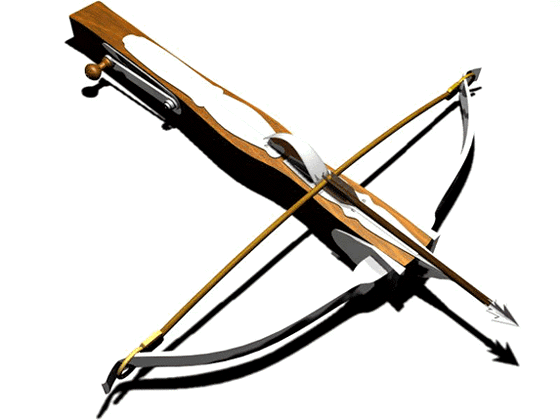
Pros: Very easy to use. Reasonable accuracy and damage at medium-close range.
Cons: Useless in close combat. Agonizing reload takes time and strength. Bolts don't necessarily guarantee a kill.
Pros: Moderate effectiveness as a stabbing or bludgeoning tool. Reasonably accessible.
Cons: Hard to carry. Hurts to use. Very close range. Incredibly slow rate of attack. Gets stuck in zombies all the time.
Overall: 1
Pros: Extremely common and lightweight. Diverse. Indispensable for a host of survival tasks. Easy to use. Can be devastating in the hands of an experienced user. Can be dual wielded.
Cons: Wounds don't bring down zombies very fast. Can get stuck. Useful only in extreme close range. Messy to use.
Overall: 2
Pros: Ammo can be made at home. Shafts can be ignited. Lethal at medium to point-blank range in the hands of an expert. Bow can double as a melee weapon in a pinch. Shafts can be retrieved and reused.
Cons: Mediocre rate of fire. Requires great strength and prowess to even draw the bow. Tricky to use indoors. Somewhat inaccurate. Does disappointing amount of damage; sometimes takes multiple hits to down a charging zombie.
Overall: 2
Pros: Large blast radius. Handy dandy. Can provide a moment's calm in order to reload another weapon.
Cons: Cannot be used indoors. A bad toss can force survivors from their stockade or worse. Low rate of fire. Useless in close combat.
Overall: 2
Pros: Devastating short-range attack can obliterate huge crowds of undead and illuminate the night.
Cons: Very heavy. Fuel is clunky and dangerous. Cannot be used indoors, around a hiding place, or near other survivors. Loud noise and bright light attracts zombies from massive distances.
Overall: 2
Pros: Extremely high rate of fire and damage. Very large clip size. Can be mounted.
Cons: Incredibly heavy. Innaccurate unless set up before firing. Very slow to turn. Slow reload time. Overheats.
OVERALL: 2
Pros: Devastating damage per shot. Looks really cool. Easy to draw. Can be used at any range from medium-close to melee. Can be reloaded one shot at a time. Can be dual wielded.
Cons: Agonizing reload. Huge kick. Slow rate of fire. Heavy (for its size). Bullets are clunky to carry around. Very shallow clip.
Overall: 2
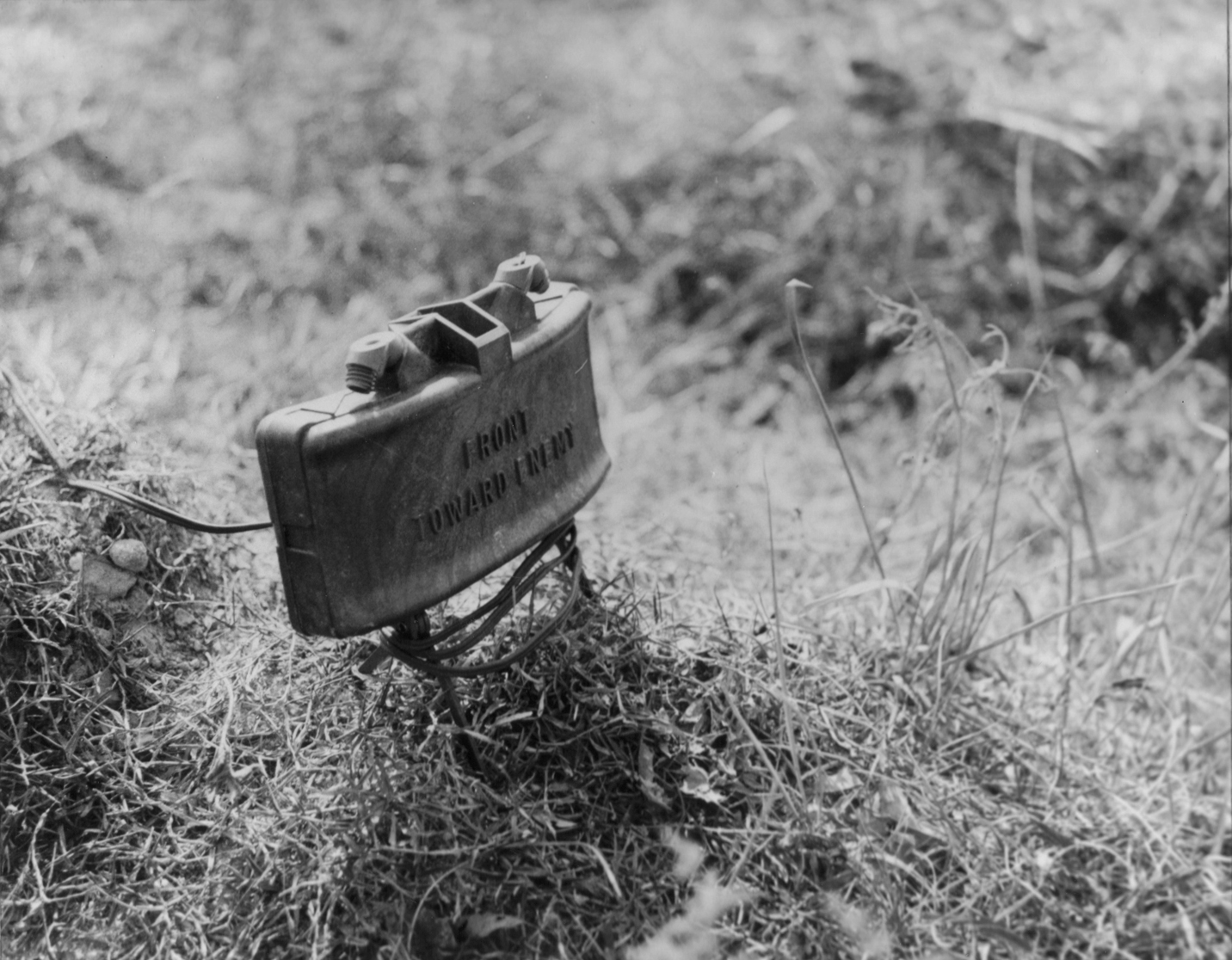
Cons: Can be tricky to set up. Incorrect facing can lead to embarrassing death. Doesn't necessarily detonate at the most useful moment.
Overall: 2
Pros: For a melee weapon, fairly long range. Useful in many kinds of survival situations. Can impale several zombies at once.
Cons: Hard to use and transport in cramped areas. Low rate of attack. Tricky to pull out of charging zombie if the first strike didn't stop it.
OVERALL: 2
Pros: Long range. Sizable blast radius can clear a path through zombies and obstructions. Exhaust trail can double as a distress flare in a pinch.
Cons: Heavy. Ammunition is almost as big as weapon. Very slow reload time. A liability at close range. Lots of breakable parts. Undependable accuracy.
Overall: 2
Pros: Easy to find. Useful in a wide range of survival situations. Effective in close quarters.
Cons: Tends to get stuck in zombies. Danger of hitting other survivors. Messy to use.
OVERALL: 3
Pros: Ranged weapon with unlimited ammunition. Can be used to traverse complex obstacles and play fetch with robots. Small chance of becoming super-charged, allowing you to toss zombies like ragdolls.
Cons: Nearly useless without plenty of throwable objects in room, such as saw blades and explosive barrels. Tines at end of gun can be damaged. Extremely rare. Impossible to repair. Will cause resentment among other survivors who don't get to use the gravity gun.
Overall: 3
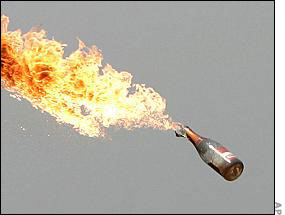
Pros: Easy to make. Can make large areas intraversable to zombies, allowing you to cover your escape or block an attack. Reasonably easy to carry.
Cons: Hard to control. Unpredictable flight path and spill. May leak on the carrier, causing him to burst into flames when attempting to use.
Overall: 3
Pros: Massive cutting edge can cut swathes through a horde. Powerful swing will cut through just about anything.
Cons: Very heavy. Requires extensive training and conditioning. Cannot be used near other survivors. Almost impossible to find.
OVERALL: 3
Pros: Very long range. High damage output. Scope doubles as a monocular for scouting a path ahead. There are lots of them in Wal-Mart.
Cons: Slow rate of fire. Easier to break than combat weapons. Nearly useless at close quarters. Kick can knock an unready user flat on his back.
Overall: 3
Pros: Deep clip. Can be mounted on a building or vehicle. Good damage output.
Cons: Heavy, complicated to use. Lengthy reload time. Very heavy. So are the ammo boxes. Innaccurate except when set up and at medium-close range.
Overall: 3
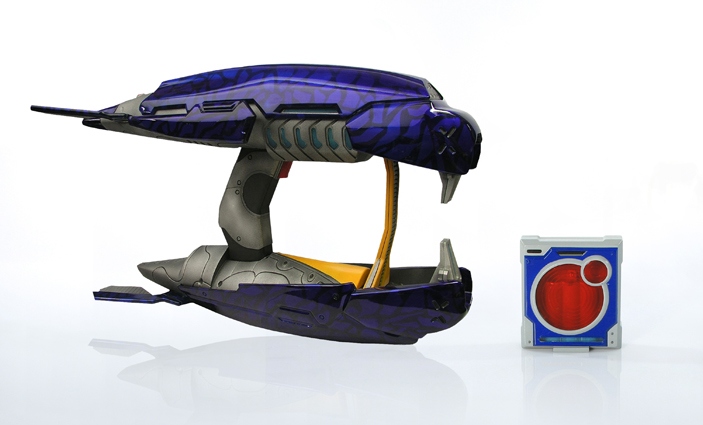
Pros: Super-heated projectiles melt zombies with ease. Very little kick. Decent range and accuracy. High rate of fire. Very easy to use. Biodegradable.
Cons: Protracted firing will cause overheating, in which hot plasma is vented out of the side of the weapon, potentially harming the user. Lengthy cool down time after overheat is enough for zombies to overwhelm user. Moderately sized battery is not replaceable.
Overall: 3
Pros: Strong, razor sharp, extremely effective for slashing, stabbing, and cutting.
Cons: Likely to cause as much harm as good in the hands of a novice. Must be maintained using special oils.
OVERALL: 4
Pros: Easy to draw. Decent medium-close damage and accuracy. Clips are easy to pack and tend to be fairly available. Can be used at point blank range, even in a melee. Makes a good secondary weapon. Can be dual wielded with practice. Very fast reload.
Cons: Individual shots don't do much damage. Shallow clip.
Overall: 4
Pros: Good medium range accuracy. Easy to use in almost any situation. Reasonable weight and reload time. Can be silenced.
Cons: Shallow clip. Mediocre damage for an automatic weapon.
OVERALL: 4
Pros: Wide firing pattern almost guarantees a hit. Can take out multiple zombies at once. Devastating close-range blast will knock zombies backward. Can reload one shell at a time. Short barrel means easy maneuverability in close quarters.
Cons: In most cases, very shallow clip. Iconic status as the ultimate zombie-fighting weapon may cause other survivors to turn on you to get it. Cannot be used to fire at zombies who are attacking other survivors. Slow reload time.
Overall: 5
Pros: Diverse application in almost any combat situation. Rugged, reliable. Adjustable rate of fire. Effective from medium-long distances to point-blank. Fast reload time. Can be heavily modified and silenced.
Cons: Clips are clunky. Somewhat harder to turn around with compared to a melee or shorter-barreled weapon. Someone will kill you for it while you are sleeping.
Overall: 5
Think you know how to avoid getting turned into a zombie pinata? Post your plan below for a free expert analysis.